Veneers in Romania
Cosmetic veneers price compared: porcelain IPS e.max veneers in Romania for a single-trip smile makeover, with what to expect and UK vs Romania prices.
Veneers are thin porcelain or composite shells bonded to the front of the teeth to change colour, shape or spacing. Some cases can be completed in one visit to Romania, but suitability, preparation, timescale and cost depend on the treating dentist’s examination and plan.
The short answer: veneers in Romania cost about £440 per tooth in e.max porcelain and about £135 per tooth in direct composite, against roughly £600 to £1,000 and £250 to £500 in the UK. Most cases are finished in one trip of 5 to 8 days. Only the treating dentist’s written plan applies to your own teeth.
One trip, 5-8 days
- Day 1-2: consultation, digital smile design preview, gentle preparation of the teeth and impressions. Temporary veneers fitted.
- Day 3-6: the dental laboratory crafts your veneers while you enjoy the city.
- Final days: try-in, adjustments and bonding of the final veneers.
Porcelain or composite?
Porcelain, usually IPS e.max lithium disilicate, is the more durable option and resists staining. A 2025 systematic review and meta-analysis in the Journal of Esthetic and Restorative Dentistry pooled 29 studies and reported survival of 96.81% for lithium disilicate veneers at about ten years, marginally ahead of other ceramics and with fewer long-term complications.
Direct composite is built up on the tooth in a single appointment and costs considerably less. It usually needs little or no enamel removed, which is its real advantage, but it picks up stain and wears faster, so expect repair or replacement sooner than with porcelain.
Neither is simply better. Our guide to E.max versus composite veneers works through the trade-offs, including what each choice commits you to afterwards.
Indicative prices
| Treatment | Typical UK private price | Typical Romania price |
|---|---|---|
| E.max veneer (per tooth) | £600-£1,000 | £440 |
| Direct composite veneer (per tooth) | £250-£500 | £135 |
| 8-veneer smile makeover, e.max | £4,800-£8,000 | £3,523 |
| 8-veneer smile makeover, direct composite | £2,000-£4,000 | £1,080 |
What the price covers
A per-tooth price is only comparable once you know what sits inside it. Ask the clinic to confirm in writing which of these are included.
- The consultation and any imaging needed to plan the case.
- A digital preview or wax-up if one is offered, and whether revisions to it are chargeable.
- Temporary veneers for the days between preparation and fitting.
- The laboratory work and the ceramic actually used, named by brand.
- Try-in, adjustment, bonding and any review appointment before you fly home.
Whitening is often done before veneers so the shade is matched to the final colour of the teeth around them, and it is normally a separate line on the quote. Veneers in Bucharest are priced per tooth, so an eight-veneer plan is eight times a figure that should not move after the examination unless the plan itself changes.
Tooth preparation, and what cannot be undone
This is the part worth slowing down on. The NHS puts it plainly: to fit some veneers, the front of the tooth is drilled away a little, though not all veneers need this. Where enamel is removed it does not grow back, and that tooth will need a veneer or a crown on it from then on.
How much preparation a case needs depends on the position of the teeth, their existing colour and the result you want. A dark tooth, or one sitting forward of the others, usually needs more reduction than a lighter, well-aligned one. Ask for the expected preparation to be described before you agree to the plan rather than on the day, and ask what happens if a tooth turns out to need more than expected once work starts.
Bonding to enamel rather than the softer dentine beneath it is also what gives a veneer its best hold, which is a second reason the amount removed matters.
Who veneers suit, and who they do not
Veneers change how a tooth looks. They do not address why it looks that way. Active decay, gum disease and untreated grinding need dealing with first, and heavy grinding may rule out porcelain or require a night guard alongside it.
Crowded or rotated teeth often give a better and more conservative result with orthodontics first, even though that route is slower. A tooth that is already heavily filled or broken may be better restored with a crown, which covers the whole tooth rather than its front surface.
Veneers are cosmetic in almost every case. The NHS notes they are generally only available privately unless there is a demonstrable clinical need, so a UK private fee is the fair comparison here.
Alternatives worth pricing first
- Whitening. If the complaint is colour alone, it is cheaper, quicker and removes nothing from the tooth.
- Composite bonding. Good for chips, small gaps and worn edges, and usually the most conservative option available.
- Orthodontics. Slower, but it moves the teeth you already have instead of reshaping them.
- A crown. Where a tooth is heavily filled or broken, covering it may be the sounder restoration.
A plan that never mentions any of these is worth questioning before you accept it.
Repairs, replacement and aftercare
Porcelain veneers can chip or debond, and a chipped one is normally replaced rather than repaired. Composite can often be patched in the chair. Either way, establish before you travel who deals with it, what the guarantee covers, what it excludes and who pays for a return trip.
Day to day they need ordinary brushing and flossing with attention to the gum line, and front teeth are best kept off hard objects. Ask the clinic for the shade, the ceramic used and the laboratory details to bring home, so a dentist here can match a single replacement years later. Register the work with your own dentist rather than waiting for something to go wrong.
This page is general information rather than medical advice. Suitability, preparation and the final plan are confirmed by the treating dentist after a clinical assessment.
Prices are approximate guides. Your total depends on the treatment needed, materials and any additional work. The combined Straumann implant price includes the implant, Ti-base abutment and zirconia crown. Your treating dentist confirms the required components and provides a personalised treatment plan and itemised estimate.
Curious what your smile could look like?
Send a photo of your smile for a veneer assessment and itemised quote, free and without obligation.
See the difference up close
These are not stock photographs. Two real patients treated at a partner clinic in Bucharest, photographed in clinic and published with their written consent.
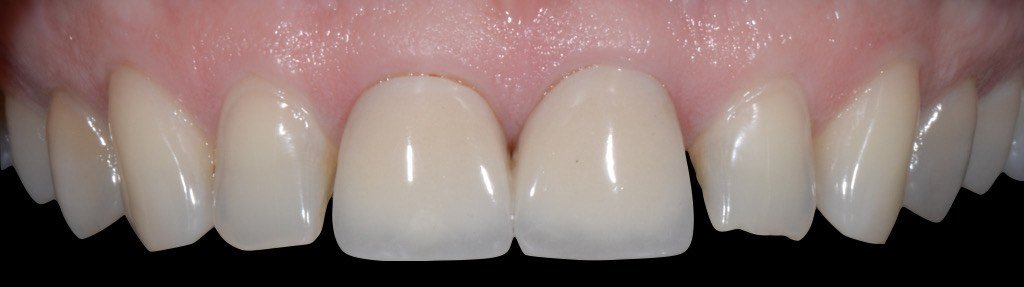
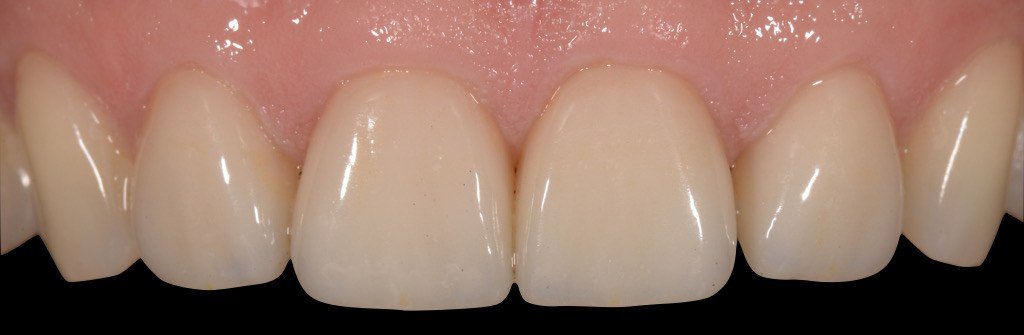
Case one: IPS e.max veneers. Published with the patient's written consent.
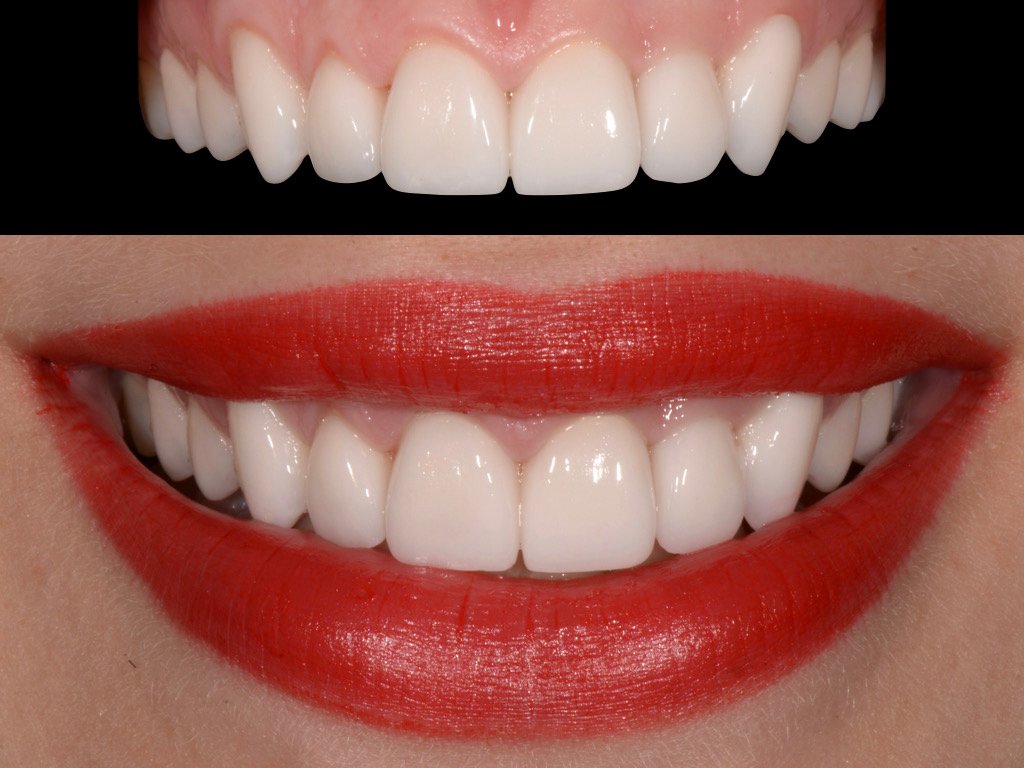
Case two: a Hollywood smile
Shape, colour and the smile line are planned before anything is prepared, then matched to the face. It is the same digital workflow a good UK practice uses, with the same porcelain.
Ask what's possible for me